Source eco friendly nordic fruit bowl for Home, Party, Outdoor
Compare 30 listings for the eco friendly nordic fruit bowl available in wood, bamboo, and plastic materials. Buyers can evaluate customizable designs, various sizes, and certifications like FDA and LFGB for general usage scenarios.
Key considerations
Products List


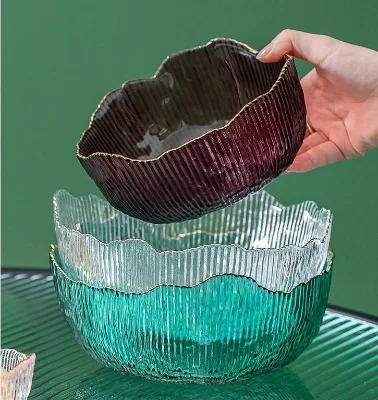


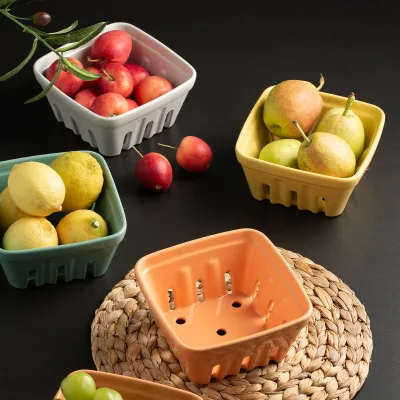


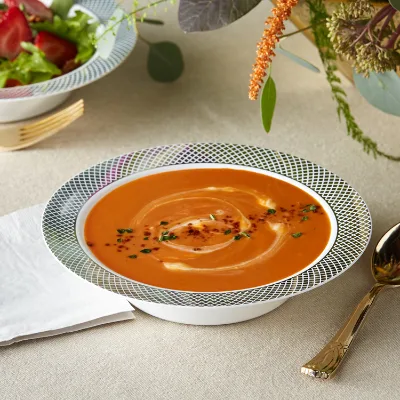
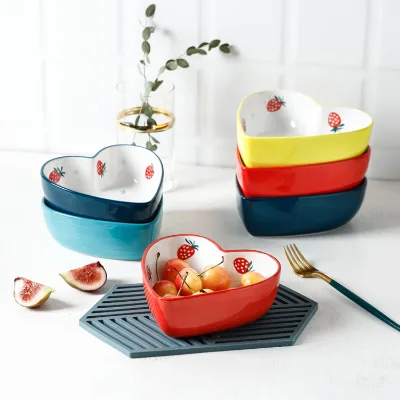


Comprehensive Sourcing Guide
Sourcing Guide for Eco-Friendly Nordic Fruit Bowls
The global demand for sustainable kitchenware has elevated the profile of the eco-friendly Nordic fruit bowl, a product category that blends minimalist aesthetics with functional utility. For B2B procurement professionals, sourcing these items requires a nuanced understanding of material composition, regulatory compliance, and supply chain logistics. The "Nordic" designation typically implies a design philosophy centered on clean lines, natural materials, and functionality, while "eco-friendly" necessitates a rigorous verification of the raw materials and manufacturing processes. This guide synthesizes available market data to provide a structured approach for buyers evaluating suppliers in this sector, focusing on the intersection of design, material science, and compliance.
Material Composition and Design Attributes
The foundation of any eco-friendly fruit bowl lies in its material composition. Market observations indicate a diverse range of materials, with bamboo, wood, and plastic being the primary candidates. While the "Nordic" aesthetic often leans heavily toward natural wood and bamboo, the supply chain also includes plastic variants that may be marketed as sustainable through specific manufacturing techniques or recycled content. Buyers must distinguish between these categories, as the performance characteristics and end-of-life profiles differ significantly.
Bamboo and wood products are frequently highlighted for their renewable nature and biodegradability. These materials often undergo specific processing, such as handcrafting or other manual techniques, which can add value but also introduce variability in dimensions. The observed product attributes suggest that many items are non-disposable, designed for long-term use in home, outdoor, or party settings. This durability is a critical differentiator from single-use alternatives.
Conversely, plastic options exist within the same category, requiring careful scrutiny of the specific polymer type and its environmental impact. The design flexibility is high, with many suppliers offering customizable models, shapes, and colors. The "Round" shape is a common observation, aligning with traditional fruit bowl forms, but "Bicolor" and "Unicolor" options allow for brand differentiation. The absence of lids on many models suggests a focus on open-air display and accessibility, which is consistent with the Nordic emphasis on natural presentation.
Technical Specifications and Standardization
Standardization in the fruit bowl market varies widely, ranging from highly customizable dimensions to fixed standard sizes. Buyers should expect to encounter a spectrum of specifications, from small countertop units to larger serving trays. Observed standard dimensions include measurements such as 12.55 cm, 17.75.4 cm, and 247 cm, as well as larger cubic forms like 303010 cm and 2525*8 cm. These variations cater to different use cases, from individual serving to large-scale buffet arrangements.
The product models identified in the market, such as WFB-89799, WSB-0990, and BFB-8979, indicate that suppliers often use alphanumeric codes to denote specific designs. These codes may correspond to distinct mold sets or production lines. The "Customizable" nature of the product model and standard allows buyers to request specific dimensions to fit their retail packaging or display requirements. However, this customization often comes with minimum order quantity (MOQ) implications.
Packaging standards are equally critical for logistics. The observed packing methods include carton boxes, palletizing, and individual bagging (1 PCS/Bag). The choice of packaging affects the unit cost and the protection of the product during transit. For fragile items like wood or bamboo, robust carton packaging is essential to prevent damage. Buyers should verify that the packaging aligns with their own sustainability goals, ensuring that the outer packaging is also recyclable or reusable where possible.
Compliance, Certification, and Regulatory Standards
Navigating the regulatory landscape is paramount for importing eco-friendly products, particularly those intended for food contact. The market data highlights several key certifications that buyers should look for to ensure compliance with international standards. Common certifications observed include CE/EU, FDA, LFGB, EEC, and CIQ. These certifications verify that the materials used are safe for food contact and meet specific regional safety requirements.
The CE mark indicates conformity with health, safety, and environmental protection standards for products sold within the European Economic Area. FDA certification is crucial for products entering the United States, ensuring that the materials do not leach harmful substances into food. LFGB (Lebensmittel-, Bedarfsgegenstände- und Futtermittelgesetzbuch) is the German Food and Feed Code, often considered a stringent benchmark for food safety in Europe. The presence of EEC and CIQ certifications further validates the product's adherence to international trade and quality standards.
Buyers must treat these certifications as evidence of compliance rather than automatic guarantees. It is essential to request current, valid certificates from the supplier and verify their authenticity. The "Customizable" standard attribute suggests that some products may be tailored to meet specific regional requirements, but this customization must be backed by appropriate testing and certification. Without these documents, the risk of regulatory rejection at customs or in the retail market increases significantly.
Cost Drivers and Procurement Economics
The pricing structure for eco-friendly fruit bowls is influenced by a complex interplay of factors, including material costs, labor intensity, and order volume. The observed price range in the market spans from $0.29 to $36.50 USD, reflecting the vast diversity in product quality, material, and size. Lower-priced items often correspond to smaller, mass-produced plastic or simple wood variants, while higher-priced items likely represent larger, handcrafted, or premium material options.
Minimum Order Quantities (MOQs) are another significant cost driver. The observed MOQ range extends from 10 to 5000 units. Low MOQs, such as 10 units, are typically associated with stocked items or ready-to-ship inventory, offering flexibility for small buyers but potentially at a higher unit cost. High MOQs, reaching 5000 units, are necessary for custom manufacturing runs, allowing suppliers to amortize setup costs and offer more competitive pricing.
Labor costs also play a substantial role, particularly for products described as "Handmade/Other." Handcrafted items often command a premium due to the time and skill required for production. Additionally, the "Stocked" feature indicates that some items are available for immediate shipment, which can reduce lead times but may limit customization options. Buyers should balance the need for customization against the cost implications of low-volume orders.
Supplier Evaluation and Geographic Considerations
Geographic origin is a critical factor in supplier evaluation, as it influences labor costs, shipping logistics, and regulatory familiarity. The primary production hub for these products is identified as China, with specific clusters in Fujian province, including Nanping. Fujian is known for its expertise in bamboo and wood processing, making it a strategic location for sourcing eco-friendly wooden goods.
When evaluating suppliers, buyers should prioritize those with a proven track record in the specific material they intend to source. For bamboo and wood products, suppliers in Fujian often have established supply chains for raw materials and the necessary processing infrastructure. The "Customized" and "Customizable" attributes suggest that many suppliers are willing to engage in collaborative design, but this requires clear communication and robust quality control measures.
Supplier reliability can be assessed through their response to certification requests, their ability to provide samples, and their transparency regarding production capacity. The "Eco-Friendly" and "Stocked" features indicate a focus on sustainability and availability, but buyers should verify these claims through site audits or third-party inspections. The "Europe" style and "Countertop" application suggest that the target market is likely in developed regions with high aesthetic standards, requiring suppliers to maintain consistent quality.
Quality Control and Long-Term Procurement Strategy
Ensuring consistent quality is essential for maintaining brand reputation, especially for products that are non-disposable and intended for long-term use. Quality control measures should encompass material inspection, dimensional accuracy, and finish quality. For wooden and bamboo products, checks for warping, cracking, and surface smoothness are critical. The "Round" shape and specific dimensions must be verified against the agreed-upon standards to ensure they meet the buyer's specifications.
Long-term procurement strategies should focus on building strong relationships with suppliers who can scale production while maintaining quality. The "All-Season" and "General" application scenarios suggest that these products have broad market appeal, making them suitable for year-round sales. However, buyers should also consider the "Holiday Selection" support, which may indicate opportunities for seasonal marketing campaigns.
Sustainability should be a core component of the procurement strategy. Buyers should verify that the "Eco-Friendly" claims are backed by verifiable data, such as the use of FSC-certified wood or sustainable bamboo harvesting practices. The "Without Lid" design and "Dishwasher Safe: No" attributes require clear communication to end-users to ensure proper care and longevity of the product. By integrating these factors into the procurement process, buyers can secure a reliable supply of high-quality, eco-friendly Nordic fruit bowls that meet both aesthetic and functional requirements.
Conclusion
Sourcing eco-friendly Nordic fruit bowls requires a comprehensive approach that balances design aesthetics, material integrity, and regulatory compliance. The market offers a wide range of options, from small, stocked items to large, custom-manufactured batches. By carefully evaluating material composition, verifying certifications, understanding cost drivers, and selecting suppliers with the right geographic and technical capabilities, buyers can build a robust supply chain. The focus on sustainability and quality ensures that these products meet the evolving demands of the global market, providing value to both the buyer and the end consumer.
FAQs
What materials are used for eco friendly nordic fruit bowls?
These bowls are primarily made from bamboo, wood, and plastic. While natural materials like bamboo and wood are common for their renewable nature, some plastic variants exist. Buyers must distinguish between these categories as performance and end-of-life profiles differ significantly.
Which certifications ensure food safety for these products?
Common certifications include CE/EU, FDA, LFGB, EEC, and CIQ. These verify that materials are safe for food contact and meet regional safety requirements. Buyers should request current certificates to ensure compliance with international trade standards before purchasing.
Can I customize the size and design of the fruit bowl?
Yes, the product model and standard are customizable to fit specific requirements. Suppliers offer options for different dimensions and shapes, though customization often involves minimum order quantities. This flexibility allows buyers to tailor products for retail packaging or display needs.
What is the price range for sourcing these bowls?
The observed price range spans from 0.29 to 36.5 USD. Lower prices typically correspond to smaller, mass-produced items, while higher prices reflect larger or handcrafted options. Pricing is influenced by material costs, labor intensity, and order volume.
How are these fruit bowls packaged for shipping?
Packaging methods include carton boxes, palletizing, and individual bagging. Robust carton packaging is essential for fragile wood or bamboo items to prevent damage during transit. Buyers should verify that outer packaging aligns with their sustainability goals.
Where are the main suppliers of these bowls located?
Production hubs are primarily in China, specifically in Fujian province including Nanping. This region is known for expertise in bamboo and wood processing. Suppliers in this area often have established supply chains for raw materials and necessary processing infrastructure.
What is the minimum order quantity for custom orders?
The observed MOQ range extends from 10 to 5000 units. Low MOQs like 10 units are for stocked items, while high MOQs of 5000 are for custom manufacturing. Customization often requires higher volumes to amortize setup costs effectively.